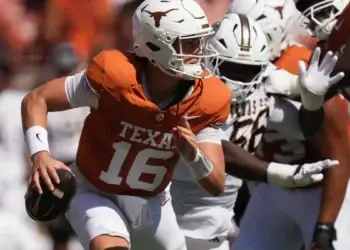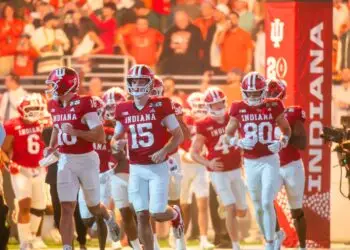




College football uniforms have undergone major transformations since the inception of the game. Originally, they were nothing more than plain clothes worn by players so that fans could tell them apart. Today’s college football uniform is a highly specialized piece of athletic clothing that incorporates elements of player identity, comfort, durability, and contemporary textile technology. The change in the way we design college football uniforms is reflective of the overall progression of the game of football itself. Faster paced action on the field, better player equipment and new physical demands put upon athletes all influence the way that college football uniforms are created today.
In addition to serving as functional clothing, uniform styles are now integral to the culture surrounding college football. Through the use of a school’s colors, helmet designs, jersey numbers and traditional features that have been passed down through generations, each team creates a unique identity that is easily recognized by its players and fans.
The Early Days of College Football Uniforms
During the early stages of the game of college football, players wore uniforms which were much simpler than the ones worn by current college players. Generally speaking, teams used durable clothes that were constructed of heavier fabrics, and there was little in the way of variation in the designs of these uniforms. The main reason for designing a uniform was to establish an identity for the team and not necessarily enhance their ability to perform well athletically.
In early football clothing, the players wore thick jerseys, simple pants and other protective gear. While the heavier material provided some degree of durability, it was often uncomfortable to wear for long periods of time when the player was engaging in strenuous activity. In addition, players were limited in terms of what type of clothing they could purchase that would be manufactured with features such as movement, ventilation or moisture-management.
Universities started to pay more attention to uniform consistency as college football evolved into a more organized and competitive game. Universities used unique colors, player numbers, and player formations so that they could tell which player was on the field during the game. Early design choices made by universities contributed to establishing the unique visual tradition that exists today for college football.
How Team Colors and Uniform Designs Became Part of College Football Tradition
College football uniforms eventually evolved from being merely functional athletic apparel to representations of each institution’s identity, school spirit and its historical traditions in sports.
Many of the universities adopted unique color schemes and other design features which have become synonymous with each university’s athletic program. The use of these visual identifiers provided an opportunity for fans to easily identify who they were supporting and provided a sense of community among all supporters of a particular university.
An example of a university that has a strong association with its colors (burnt orange and white) would be the University of Texas. There are many other universities that have very distinctive visual identities and therefore traditional uniforms are a major element of college football culture.
The combination of helmet design, jersey number, sleeve detail, and pant color contrast will create an image that is unique to each team. Although some of these design features may seem minor, when they remain unchanged for years or decades, they can have significance.
This is why many colleges keep their historic uniform design intact and sometimes use an alternate design. Using the same recognizable visuals gives a college program the freedom to try out new ideas for their uniforms, but still maintain a connection to their past.
The Introduction of Modern Materials and Improved Football Gear
In order to keep up with the advances in textile production, the use of heavy, traditional fabric in making football uniforms has changed over time to lighter, synthetic materials.
In addition to being durable, lightweight, and versatile for a variety of types of fabrics, polyester and nylon began to play an ever-increasing role in athletic wear. Additionally, these two types of materials provided athletes with new possibilities to create garments that would provide better ventilation, greater flexibility, and superior moisture management.
This change was especially important to football because it is a sport in which athletes engage in multiple high-intensity movements while wearing safety gear.
Modern jerseys are typically made from lightweight man-made fibers (synthetic) and open-weave fabric panels (mesh). The combination of these two elements will enhance air circulation around your body, as well as assist with moisture management during intense physical activity. In addition to creating more versatile fits, advancements in fabric development have enabled manufacturers to produce specialized reinforcement areas on jerseys that are tailored to meet the needs of various sports.
As protective gear was developed, it had an impact on how uniforms were designed. The placement of shoulder pads, thigh pads, and additional protective gear required the designs of jerseys and pants to be modified so that the player’s ability to move freely would not be hindered.
How Technology Changed Modern College Football Uniforms
Modern-day football uniforms represent ongoing advancements in textile engineering and apparel construction.
Moisture wicking fabrics are a big deal. They take sweat off of your body and push it out to the other side of your shirt so that you can get rid of it. This will make you much more comfortable when you’re working hard in practice or during a game.
Breathability is another thing you should consider. You can use mesh structures and design ventilation areas strategically so that they allow air flow and therefore help with managing your body temperature while you do physical activities.
The technology used to manufacture products has changed as well. An example would be sublimation printing, which is a process where the printed design (graphics, numbers, colors) becomes an actual part of the fabric itself as opposed to being applied to the top layer of the fabric. Sublimation printing has benefits such as; flexibility in the way the product is designed and it can assist in preserving the look of the printed graphic through continued wear.
The other factors contributing to a product’s long-term use are better stitching methods and fabric choices. As a result of the amount of wear-and-tear that occurs during game play (and other types of physical activity), the quality of how well a product is put together will be a major factor in whether it lasts.
The Balance Between Performance and Team Identity
The use of technology has changed how athletes dress. However, classic style continues to be an important part of college football.
Fans frequently link specific uniforms to historical games, championship seasons, long-standing rivalries and multiple player groups. Too much change in how a team looks may cause some fans to resist because they have grown used to the team’s existing image.
In order to provide innovation in some areas while preserving traditional aspects of the program, many athletic programs will utilize the colors and helmet design of their traditional uniform while incorporating into the game-day uniform a variety of alternate jerseys, new patterns on the jersey, and/or a special-edition uniform.
Customization allows athletic programs to use their school’s identity on the clothing they wear. USportsGear has many options for customization of football uniforms and jerseys, which shows that today’s athletic apparel can be made to look like what the teams want it to look like with different color choices, pattern selections, and design preferences, but still have all members of the team dressed similarly.
The ultimate success of a uniform design lies in much more than choosing the right color scheme. It also includes taking into consideration how a visually appealing design will function, and what are the specific needs of each athlete.
What Makes a Modern Football Uniform Functional?
A current day football jersey has to be more than just visually appealing. It must satisfy some functional needs as well.
Fabric selection: synthetic materials with a low weight are commonly utilized due to their ability to offer both longevity and moisture management. The correct material for your product will depend upon the intended use of the garment, as well as how it is constructed.
Fit and mobility: Football involves sprinting, blocking, tackling, and rapid changes in direction. Uniforms must accommodate these movements without creating unnecessary restrictions.
Moisture control: Perspiration occurs as a natural reaction to heavy exertion. Moisture control materials can assist with moving sweat off of the body so that you are comfortable for long hours of playing.
Durability: Repeated contact with other objects, repeated stretching, and repeated washing can put a lot of wear-and-tear on your athletic clothing. Seams that are well-constructed and fabrics that are constructed properly will be able to take the repeated use.
Equipment compatibility: Football jerseys and pants must work alongside protective equipment. Proper construction helps accommodate pads and other gear while allowing players to move comfortably.
The reasons for careful planning in modern football uniform design are evident through these points.
The Future of College Football Uniform Design
The development of football jerseys is expected to continue evolving as the production techniques and materials used for creating jerseys improve.
Smart textile products and wearable technologies may provide additional methods for tracking players’ activity levels, body temperatures, or other performance-related metrics. However, there are many factors that must be taken into account when applying these types of technologies in real-world settings. These include player comfort, technology reliability, safety considerations, and relevant equipment regulations.
The future of uniform development will likely be influenced by sustainability. For example, recycled synthetic fibers, more efficient manufacturing processes, and better environmental practices for raw materials could all play a role in how athletic programs assess their own environmental footprint.
The advancement of digital design tools provides teams with the opportunity to experiment with various color palettes, patterns, and layout options for uniforms prior to mass production. This allows for greater flexibility when designing custom uniforms.
The main challenge for the future of apparel design will continue to be creating clothing which meets the physical demands of being an athlete but maintains the visual history of what makes college football unique.
Final Thoughts
College football uniforms have changed over time from being simple clothing to highly technical athletic wear that has been influenced by advances in material development, production techniques, and equipment design. Modern day uniforms provide many options for comfort, movement, longevity, and personalization compared to traditional designs.
However, the significance of these items goes much further than just on the field. The use of team colors, familiar helmet designs, and easily identifiable jerseys will always be part of a university’s history and its supporters’ sense of self.
The advancement of technology is expected to result in an increased level of sophistication for uniforms used in football. However, what will ultimately determine the value of uniforms is how they can be both functional on the field, while at the same time maintaining the traditional elements that set college football apart.