



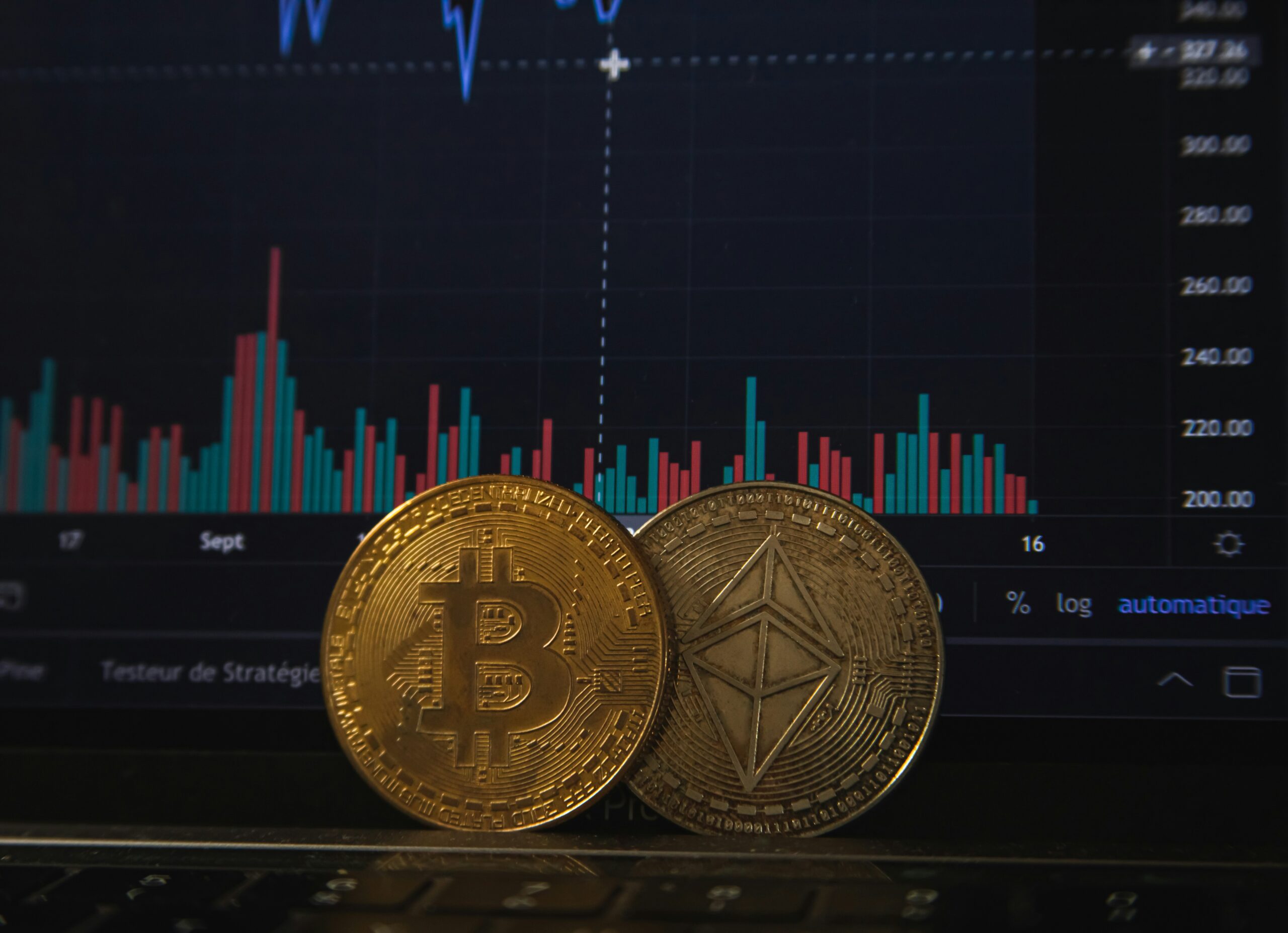
Most first-time players assume depositing crypto at an online casino works like sending money to a friend. It doesn’t. The process involves wallet addresses, network selection, confirmations, and conversion steps that can trip you up if you go in blind.
What new players should know about crypto casino deposit methods can save you real money and real frustration. Here are five things worth understanding before you fund your first account.
Crypto Deposits Work Differently Than Bank Transfers
A crypto online casino generates a unique wallet address for your account, and you send funds to it directly from your personal wallet or exchange. There’s no bank in the middle. The platform waits for blockchain confirmations before crediting your balance – typically two to six confirmations depending on the network, which can take anywhere from seconds to several minutes.
The single most important habit to build early is copying the wallet address rather than typing it out. One wrong character sends funds to an address that can’t be recovered. Most platforms also show a QR code as an alternative, which cuts that risk out entirely.
One more thing. Crypto transactions are irreversible. Unlike a credit card charge, there’s no dispute process. If you send to the wrong address, it’s gone.
The Network You Choose Matters as Much as the Coin
Sending Ethereum on the wrong network ranks among the most common and costly mistakes new players make. Each token runs on specific blockchain networks that a platform must support. USDT, like Ethereum (ERC-20), Tron (TRC-20), BNB Chain (BEP-20), and several others, operates across multiple chains. Send on an unsupported network and your deposit simply disappears.
Always match the network shown on the casino’s deposit page to the one you select in your wallet or exchange. If the casino shows “TRC-20,” your withdrawal on the exchange side must be set to TRC-20 as well. Both fields have to agree exactly.
Network fees, called gas fees on Ethereum, shift throughout the day depending on congestion. TRC-20 transactions tend to carry lower fees than ERC-20 ones for the same token. If you’re depositing a smaller amount, your network choice directly affects how much actually lands in your account.
Deposit Speeds Are Fast, But Not Instant
Blockchain confirmations take time. Bitcoin deposits typically need one to three confirmations, which can run from 10 minutes to over an hour on a congested day. Faster networks like Solana or Tron usually confirm within seconds. Most platforms credit your balance after the minimum confirmation count, not after you click send.
Transaction time and platform processing time aren’t the same thing. Some casinos credit deposits automatically the moment confirmations clear; others run them through on a short delay in batches. Check the platform’s deposit FAQ before you fund any account where timing matters.
Stablecoins – USDT and USDC, primarily – have become the practical go-to for players who want fast deposits without price exposure. You send exactly what you intend to play with, and the value doesn’t shift while you’re waiting for confirmations.
Bonuses Are Often Tied Directly to Your Deposit Method and Amount
At most crypto casinos, the welcome bonus structure scales with deposit size. A common setup works like a ladder: smaller initial deposits earn a lower match percentage, while larger deposits get higher multipliers and bigger bonus caps. Bonus currency is typically separate from withdrawable funds and accumulates gradually as you wager.
Read the wagering requirements before you deposit with a bonus in mind. Requirements of 40x to 45x on the combined deposit-plus-bonus total are standard in this space. That means a $100 deposit paired with a $200 bonus at 40x requires $12,000 in total bets before you can withdraw any bonus-derived winnings. It’s not a scam – it’s the standard model – but knowing it upfront prevents a lot of surprise.
Worth knowing too: not every game counts equally toward wagering requirements. Slots typically contribute at 100%, while table games and in-house originals sometimes count at only 5% to 10%. If you plan to play anything other than slots, that wagering total gets considerably steeper.
Withdrawal Limits and KYC Can Catch You Off Guard
Many platforms operate with risk-based identity verification, meaning no ID required at signup, but verification may be requested before a withdrawal, especially for larger amounts. This is standard practice for offshore-licensed casinos. If you haven’t verified your identity and you try to withdraw a big win, expect a hold while documentation is reviewed.
Monthly withdrawal caps are another thing new players frequently overlook. Some platforms limit how much you can withdraw per month regardless of your account balance. That cap can shrink further once your balance crosses a certain threshold relative to your deposit history. Check the terms before putting large amounts in.
Network fees apply to withdrawals just as they do to deposits. Most platforms cover their own processing fee, but the blockchain network fee comes out of what you actually receive. On a small withdrawal, that fee can eat up a real percentage of the total. Pulling funds in larger, less frequent amounts almost always makes better financial sense than taking out small sums repeatedly.
And one final note: this is all general educational information, not financial advice. Crypto values fluctuate. The funds you deposit today may be worth more or less when you withdraw, depending on market conditions and how long they sit on the platform. If you have questions about tax treatment of gambling winnings in crypto, a qualified tax professional is the right person to ask – not a casino FAQ.
Conclusion
Crypto casino deposits are genuinely faster and more private than traditional banking, but they carry a learning curve that catches plenty of new players off guard. Match your network carefully, read wagering terms before chasing a bonus, and check withdrawal limits before committing large amounts. What new players should know about crypto casino deposit methods comes down to one principle: understand the mechanics before you fund your account, not after.