



A ball off the bat or an elbow under the basket can turn a routine play into an eye injury. Longhorns fans who play the sports they follow may already think about shoes, pads and hydration, but eye protection deserves a place in that preparation. For an athlete with questions about protective gear or a previous injury, visiting an ophthalmologist in Austin offers a chance to discuss the eyes behind the equipment. The useful starting point is specific: what sport do you play, what might strike your face, and has an eye injury changed how you see?
Why Eye Safety Belongs in the Game Plan
Eye injuries are not limited to sports that look dangerous from the stands. A basketball player can take a finger to the eye while contesting a rebound; a baseball player can lose sight of a ball against the background; and a racquet sport puts a fast-moving ball or racquet close to the face. The American Academy of Ophthalmology’s sports eye safety guidance says most serious sports-related eye injuries could be prevented with appropriate protective eyewear. That makes protection worth considering before a collision or stray ball forces the issue.
The possible consequences range from a scratch on the eye’s surface to injuries that threaten sight. Risk also depends on what happens during a particular activity, not just whether a sport is labeled “contact” or “noncontact.” Pickup basketball, a youth baseball game and a competitive match can all involve unpredictable movement. Athletes do not need to assume every play is hazardous, but they should know where an impact could come from and whether their current equipment protects their eyes.
Match Protection to the Sport
There is no single pair of glasses for every playing field or court. The Academy recommends protective sports eyewear with polycarbonate lenses for activities including basketball, racquet sports, soccer and field hockey, and advises choosing protectors tested to applicable safety standards. Everyday prescription glasses are not a substitute: they do not provide proper sports eye protection, and lenses that shatter can make an injury worse. Contact lenses may help someone see the play clearly, but they do not put a barrier between the eye and an incoming ball or hand.
- Basketball: Ask about protective sports goggles that stay secure through cuts, rebounds and close contact under the basket.
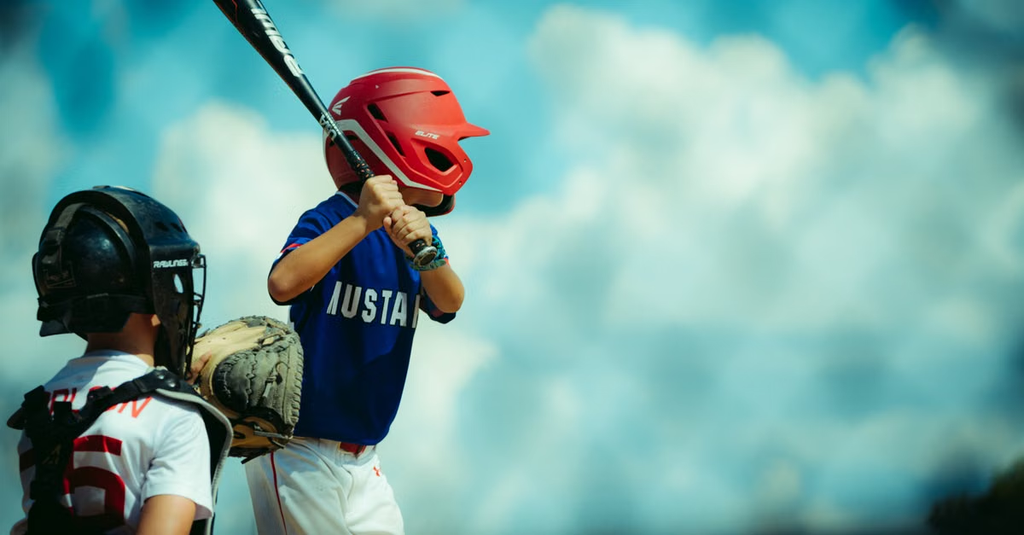
- Baseball or softball: Consider when a ball could reach the face during batting, fielding or practice, and ask what protection fits the player’s role.
- Racquet sports and soccer: Look for eyewear intended for the activity rather than relying on ordinary glasses with a sports strap.
- Ice hockey or lacrosse: Check the protective face equipment appropriate to the sport, including the helmet and face protection described in sports safety guidance.
Fit matters alongside the material. Eyewear that slips during a sprint, blocks an athlete’s view or does not work with other required equipment may be left in a bag when play starts. Bring the proposed goggles or a photo of the product to an eye appointment, especially if prescription lenses are needed. An ophthalmologist can help an athlete discuss vision needs and eye health while the athlete checks the sport’s equipment rules with a coach or league.
When an Eye Appointment Matters Before Returning to Play
A past eye injury can change the return-to-play conversation, even when the athlete feels ready to practice. The same is true after eye surgery. The Academy’s guidance on protective eyewear for young athletes calls for ophthalmologist evaluation and counseling before sports participation for athletes who have had an eye injury or eye surgery. Separately, it strongly recommends appropriate protective eyewear during all sports and recreational activities for athletes who are functionally one-eyed. A discussion after an injury or surgery can address the type of activity, the eye’s condition and the protection the athlete plans to wear; it is not a blanket clearance for every sport.
Timing is important when a new injury occurs. A blow followed by a noticeable change in vision or significant eye pain calls for prompt medical attention rather than a plan to finish the game and mention it at a routine visit. Players should also tell the clinician if they have had a previous injury that still affects depth perception, peripheral awareness or confidence tracking a ball. The practical question is not simply “Can I play?” but “What should be assessed before I return, and what protection is appropriate for my situation?”
Make the Visit Useful: What to Bring Up
A sport-focused conversation works best when the details are concrete. “I play baseball” is a start, but a catcher, pitcher and recreational outfielder encounter different situations. The same distinction applies to a basketball player who regularly battles for rebounds and someone who mostly shoots alone. Before the appointment, note what happens during actual play, what eyewear you use and whether a recent event has changed your vision. Those details give the clinician a clearer picture than a general request for “sports glasses.”
- Your sport and role: Describe the position you play, how often you practice and where balls, equipment or other players could reach your face.
- Injury and surgery history: Mention previous blows to the eye, treatment and any eye surgery, even if you have since returned to play.
- Current changes: Explain any new blur, discomfort, difficulty following the ball or difference between your eyes, including when it began.
- Vision correction: Say whether you wear contacts or prescription glasses during games and whether either creates problems while playing.
- Existing protection: Bring your sports eyewear if you have it, and ask whether its fit and intended use match your activity.
Questions can then move from a vague concern to a workable decision. Ask which activities warrant dedicated protection, whether prescription sports eyewear is an option, and what changes should prompt another assessment. If you are recovering from an injury or operation, ask what factors need review before you resume practice or competition. The answers will depend on your eyes and your sport, which is why another player’s equipment choice or recovery timeline may not fit yours.
Fans and Young Athletes Have a Role, Too
The safety conversation does not stop at the sideline. A spectator watching a baseball game may be focused on the at-bat rather than a ball heading toward the seats, while someone near a playing area may be close to swinging equipment. The Academy advises spectators to remain alert to balls, bats and other action. Enjoying a Longhorns game does not require watching anxiously, but it does mean paying attention when play could send an object beyond the field.
For parents and caregivers, the useful time to discuss protection is before a young athlete grows accustomed to playing without it. Ask what a child’s sport requires, whether the eyewear is designed for that activity and whether it stays in place during movement. A child who wears prescription glasses may need a sports-specific solution rather than the pair used in class. If that young player has had eye trauma or surgery, an ophthalmologist should evaluate and counsel them before they participate in sports. For a young player with functional vision in only one eye, the Academy strongly recommends appropriate eye protection during sports and recreational activities.
A Safer Next Step for Austin Athletes
Eye safety is easier to act on when it is tied to a real sport, a real piece of equipment and a real history of injuries. Before the next practice, take a look at the glasses, goggles or face protection you actually wear, not just what you own. If there has been an eye injury or surgery, put that information on the agenda for an eye appointment before returning to a higher-risk activity. The goal is to keep a preventable eye injury from becoming the play that matters most.