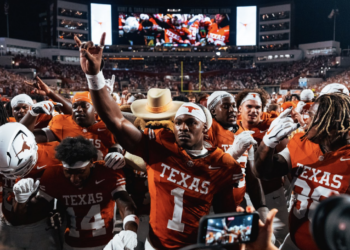



The 2025–26 season was a landmark year for the University of Texas at Austin. Competing full-time in the Southeastern Conference pushed the Longhorns to their limits across every major sport. The season tested the program, revealing what it truly takes to compete for championships in a top-tier conference.
From football to basketball, the Longhorns faced intense competition that exposed weaknesses but also highlighted the program’s long-term strengths. Success in the SEC requires more than star players. It demands depth, adaptability, strong institutional support, and consistent performance over months of physical and mental challenges.
Football Persistence and the SEC Gauntlet
The Texas football program entered 2025 ranked number one in the preseason polls, with national title projections and early championship odds—as reflected in real-time college football odds—signaling sky-high expectations. Under head coach Steve Sarkisian, a veteran-led roster was widely viewed as built for a serious College Football Playoff push. An early road loss to Ohio State forced the team to recalibrate quickly and confront the narrow margins separating contenders from champions.
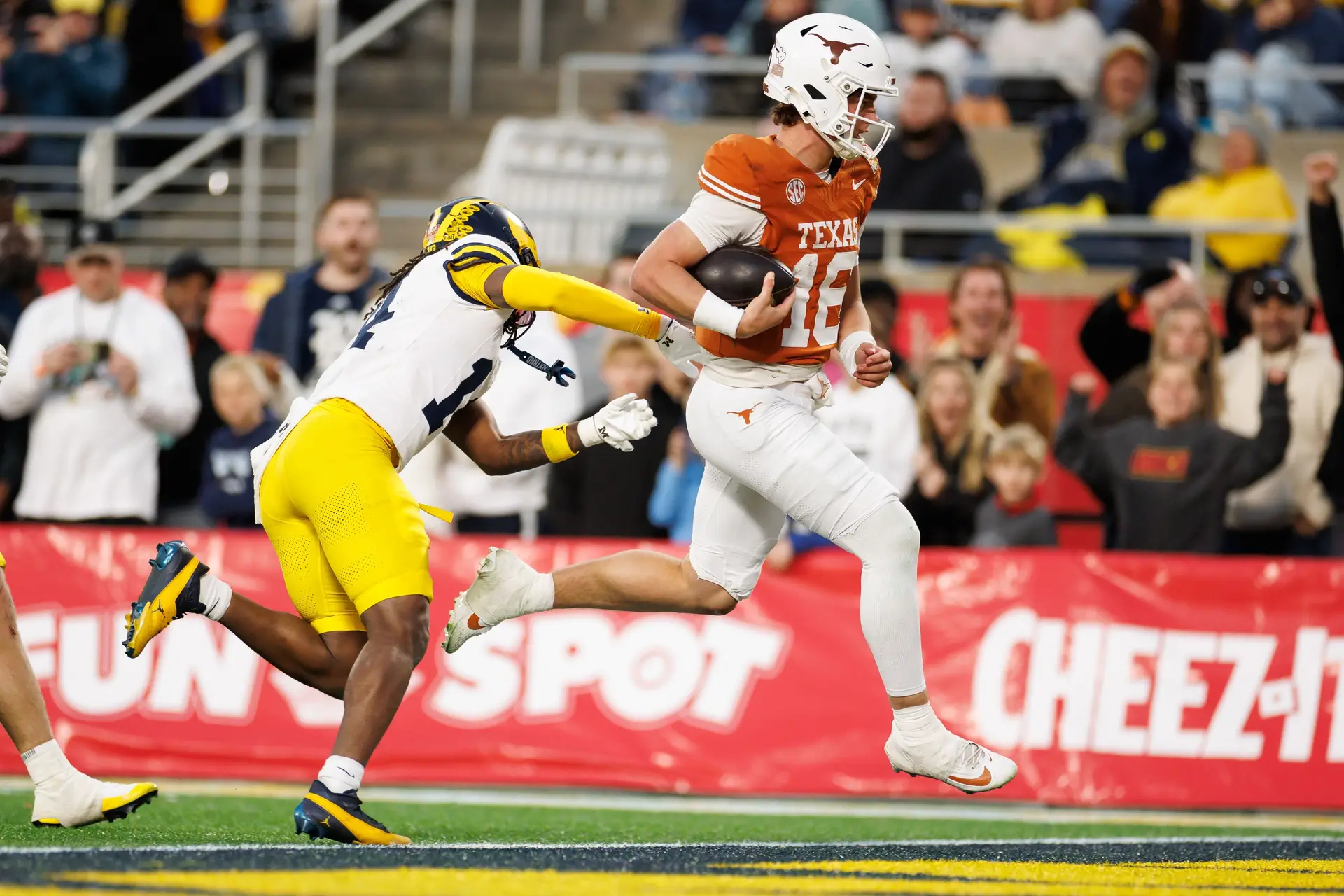
Finishing 10–3 and beating Michigan 41–27 in the Citrus Bowl would satisfy most programs. For Texas, however, the SEC schedule exposed a lack of depth on the lines of scrimmage and in the secondary. Injuries and late-season fatigue showed just how demanding a twelve-game conference schedule can be, especially when followed by postseason play. Still, Arch Manning’s emergence was a bright spot, as his 295-yard, four-touchdown game showed Texas can compete nationally.
A New Era on the Hardwood
The 2025–26 men’s basketball season introduced a new identity under head coach Sean Miller. A more aggressive offensive system emphasized pace, spacing, and perimeter efficiency against elite SEC defenses. Signature wins over Alabama and Vanderbilt demonstrated the team’s ability to compete with ranked opponents in high-pressure environments. Strategic transfer portal additions and international talent reshaped the roster’s versatility and overall athletic ceiling.
The Moody Center quickly became one of the SEC’s toughest home venues, creating a measurable competitive advantage. Texas mounted key comeback victories, including a pivotal win over South Carolina that energized the fan base. However, road inconsistencies at arenas like Rupp Arena and the O’Connell Center limited their NCAA Tournament positioning. Developing a defensive identity capable of traveling consistently remains the next step toward securing higher seeds and advancing deep into March.
Recruiting Power and the NIL Advantage
Off the field, Texas strengthened its position within the evolving Name, Image, and Likeness landscape. The program successfully attracted high-profile recruits such as Parker Livingstone while maintaining roster stability through calculated portal acquisitions. NIL resources have become central to building multi-year roster continuity in both football and basketball. The combination of brand prestige, alumni engagement, and financial infrastructure created a recruiting model aligned with modern realities.
University leadership recognized that championships are now shaped as much by strategic planning as by on-field execution. Success increasingly depends on NIL collectives, compliance expertise, athlete branding support, and long-term career development pathways. Texas has positioned itself as a leader in navigating NCAA regulatory shifts and competitive bidding environments. Maintaining this administrative and financial edge will be essential as rival SEC institutions continue escalating investment.
Building Sustainable Championship Culture
The 2025–26 season ultimately confirmed that Texas belongs among the SEC’s elite programs, a reality consistently reflected in FanDuel NCAAF Matchup Highlights throughout the year. Competing toe-to-toe with conference powerhouses validated the Longhorns’ transition from traditional Big 12 dominance to SEC resilience. While a national title remained elusive, foundational progress was evident across multiple sports. The program demonstrated composure in hostile environments and resilience in tightly contested games.
Momentum from a 10-win football season and a revitalized basketball culture fuels optimism for 2026 and beyond. The “Hook ’em” identity has evolved from symbolic tradition into measurable competitive consistency. Texas is no longer viewed as a program adjusting to new conference standards or rebuilding its national brand. Instead, it stands as a fully operational powerhouse preparing for sustained championship pursuit in the years ahead.
Burnt Orange Blueprint: The Foundation for a Championship Future
The 2025–26 season will ultimately be remembered as the year Texas transformed potential into structure. Competing in the SEC exposed the razor-thin margins that separate conference contenders from national champions. A 10-win football campaign, a revitalized basketball identity, and a strengthened NIL strategy collectively signaled sustainable growth. More importantly, the Longhorns proved they can absorb adversity without losing their competitive edge.
The blueprint is now clear for Texas moving forward. Depth across the roster, defensive consistency on the road, and continued recruiting dominance will determine whether progress turns into trophies. The infrastructure in Austin has aligned ambition with execution in ways that were not fully realized in previous eras. If these lessons are applied with discipline and urgency, the next chapter of Texas athletics may culminate in the national championship celebration the program has been building toward.

![Everything you need to know about the UTSA Roadrunners football team [VIDEO]](https://hornsports.com/wp-content/uploads//2024/09/USATSI_21487344_168380999_lowres-350x250.jpg)
![Everything you need to know about the Oklahoma Sooners football team [VIDEO]](https://hornsports.com/wp-content/uploads//2023/10/bvUSATSI_11258509_168380999_lowres.jpg.683ae43b6bee93376423f9df377fb4e5-350x250.jpg)