

Welcome to the HornSports Forum
By registering with us, you'll be able to discuss, share and private message with other members of our Texas Longhorns message board community.
SignUp Now!You are using an out of date browser. It may not display this or other websites correctly.
You should upgrade or use an alternative browser.
You should upgrade or use an alternative browser.
The Landscape Thread - What to do this month
- Thread starter Sirhornsalot
- Start date
theknighttrain
Veteran
- Joined
- Oct 23, 2013
- Messages
- 262
Hello Sir, when is the best month to transplant some Red Oak saplings that grew from acorns (and I protected from deer) in my Cedar Park yard? I would like to put them in better locations this year, have about 12 saved, and would like to move 4 or 5.
Thanks in advance!
Thanks in advance!
Bobbble-Head Bevo
Rookie
- Joined
- Oct 23, 2013
- Messages
- 4
Do you have any idea what setting I should use to spread Barricade using a Scotts Speedy Green 2000 Rotary Spreader?

Sirhornsalot
**The Official Horn Sports Landscaper and Landscap
- Joined
- Nov 6, 2013
- Messages
- 34,846
We are in Abilene. We bought a house a year and a half ago and completely gutted the interior. Moved load bearing walls' date=' tore out walls, turned their old garage which they had converted to an art studio into a master bedroom. Tore out all the sheet rock and rewired and replumbed everything. Their old master, we turned into a laundry room/office. I did all the work myself and took me over a year. All that to say the outside/lawn is a mess and this year all my time will be spent on building a workshop, an outdoor kitchen, and landscaping.
Your advice has been helpful and I will admit that I am very impressed.
I have two Live Oaks I want to thin out. I have three hideous looking fruitless Mulberry trees in the front yard with dead limbs that need to be trimmed. I don't like the trees but they are great shade on the West side of the house. There are two Pecan trees also and one of them is kind of sick looking.
All that to ask, I need grass in my front yard under the Mulberry trees. Obviously, it's a shady location and there is a small amount of sickly St Augustine. Would you recommend staying with St Augustine or is there some other type of grass that does well in shade these days?
Thanks.[/quote']
St Augustine is going to be your best bet. You could also do Zoysia, but it will perform about the same as St Augustine. Zoysia is slightly more drought tolerant.
A lot of times, it's not the shade that makes St Augustine go thin under the canopies of trees. It's a gradual change in the soil pH caused by the constant droppings from the trees, be it sap, leaves, acorns, dead bark/limbs, etc., So before we start to remedy/replace anything, I'd want to take readings on your soil pH and see where it's at.
I probably wouldn't have gone to that issue without your detailed description of your landscape. Thanks for that.
I'll be in Abilene toward the end of the month if you'd like me to stop by. Just email me. I can take the readings with you and show you what I'm talking about in more detail.
There are some things we can do when you re-sod that will make the odds of long-term success much more in your favor. Putting down expanded shale and compost prior to laying the sod will cut down on your watering and give you a healthier lawn. There is also a great product we can apply in summer that will help your St Augustine and your water bill both. It's called Hydretain.
Sirhornsalot
**The Official Horn Sports Landscaper and Landscap
- Joined
- Nov 6, 2013
- Messages
- 34,846
Bless you for letting those kids play. A lot of neighbors probably wouldn't be ok with that.I want to aerate my yard this year and put down a dressing, when should i do that, yard is 9 years old and compacted due to all the neighbor hood kids playing on it
Aeration and topdressing are best done before the growing season begins. I have found by experience that the end of January, beginning of February is best with the topdressing because it takes about a month to get where it needs to be which is about the same time the turf is coming out of dormancy. So the timing is perfect and the results show all season.
Don't forget to put down a pre emergent right over that compost. Weeds will try to germinate, even in a quarter-inch of compost. They are amazing that way.
On the aeration . . . your lawn is not the same from end to end. There are spots that receive more traffic and these spots will be more compacted. Make extra passes over these areas with the aerator. Make sure you're remembering where the sprinkler heads are or the aerator will tear them up.
Sirhornsalot
**The Official Horn Sports Landscaper and Landscap
- Joined
- Nov 6, 2013
- Messages
- 34,846
Good to hear from you Knighttrain,Hello Sir, when is the best month to transplant some Red Oak saplings that grew from acorns (and I protected from deer) in my Cedar Park yard? I would like to put them in better locations this year, have about 12 saved, and would like to move 4 or 5.Thanks in advance!
I'd get those saplings out ASAP. Again, the more time between their planting and the heat of summer, the better. Doing it now gives them time to acclimate themselves and get some growth in the roots into the surrounding soil.
Remember, when you dig your hole for these babies, only make them as deep as the root ball of the sapling, but make the hole twice as wide.
Below is a diagram, just apply on a smaller scale.

Last edited by a moderator:
Sirhornsalot
**The Official Horn Sports Landscaper and Landscap
- Joined
- Nov 6, 2013
- Messages
- 34,846
Probably either 4 or 4.5. However, you can go higher on the setting if you want more protection. Overdoing it with pre emergent just means you're protected better and for longer.Do you have any idea what setting I should use to spread Barricade using a Scotts Speedy Green 2000 Rotary Spreader?
If you're unsure, it's best to pick a lower setting and get the product all over the lawn. Then, apply a second round at a higher setting to finish the bag. Obviously, it helps to make a second pass or higher setting in areas where you're annually having problems with broadleaf, such as the easements and areas exposed to multiple directions of wind.
Sirhornsalot
**The Official Horn Sports Landscaper and Landscap
- Joined
- Nov 6, 2013
- Messages
- 34,846
I have Indian Hawthorne scrubs against my house on east side. Been there about 15 years. They have developed black spots on the leaves and look like they are going to die. What can I do?
The black spot you speak of is called "Black Spot" fungus. You can kill the fungus using a liquid spray fungicide. Black Spot is one of the easier fungus to kill.
You can get the below product at Lowes. Mix with water in a sprayer and spray all the leaves, limbs and stems of the hawthorns. Repeat two weeks later. Do not fertilize the hawthorns while you're trying to kill the fungus. The nitrogen in fertilizer will enhance the growth of the fungus.
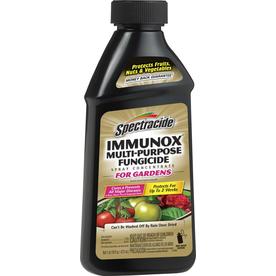
You can fertilize about three weeks after your last treatment. I advise you to do that so they can get a good start in spring. Even though they're older, they may not be done yet

Don't expect much in the way of new growth for another month or so.
Sirhornsalot
**The Official Horn Sports Landscaper and Landscap
- Joined
- Nov 6, 2013
- Messages
- 34,846
nm
Heloteshorn
Rookie
- Joined
- Jan 10, 2014
- Messages
- 21
What variety of pecan tree would you recommend? Thank you Sir.
Sirhornsalot
**The Official Horn Sports Landscaper and Landscap
- Joined
- Nov 6, 2013
- Messages
- 34,846
What variety of pecan tree would you recommend? Thank you Sir.
Are you seeking performance in the landscape or a rec for the best pecan (nut) of the varieties?
I like the Pawnee and the Desireable, both being type 1 Pecan.
Zinc Sulphate is especially important to pecans, so apply one pound per year but don't do the first application until you've had your pecan in the ground for at least six months.
If you're interested in pecan production, you have to buy/plant at least two varieties of pecans for pollination purposes. It's better with three varieties though.
baseheadtx
Rookie
- Joined
- Dec 23, 2013
- Messages
- 4
How do you feel about beneficial nemetodes? I'm trying to stay away from chemicals as much as possible.
Josey Wales
Rookie
- Joined
- Oct 22, 2013
- Messages
- 5
SHA- I live in So. Texas and have a St. Augustine yard that was hit hard by the drought the last 2 years. Part on my non-irrigated yard started growing what I call "sand burrs" (look kinda like clover with stickers) that are really starting to take over parts of my yard. How do I get rid of these things? Any help would be greatly appreciated.
Sirhornsalot
**The Official Horn Sports Landscaper and Landscap
- Joined
- Nov 6, 2013
- Messages
- 34,846
They do very well when put out as a routine thing each year. They'll keep the flea population under control and other problem insects in the landscape as well.How do you feel about beneficial nemetodes? I'm trying to stay away from chemicals as much as possible.
However, they are not the answer when dealing with an infestation that has already set in. But they are great to keep an infestation from happening in the first place.
Sirhornsalot
**The Official Horn Sports Landscaper and Landscap
- Joined
- Nov 6, 2013
- Messages
- 34,846
First, get on a three-times a year routine of pre emergent applications. (Feb, Aug, Nov).SHA- I live in So. Texas and have a St. Augustine yard that was hit hard by the drought the last 2 years. Part on my non-irrigated yard started growing what I call "sand burrs" (look kinda like clover with stickers) that are really starting to take over parts of my yard. How do I get rid of these things? Any help would be greatly appreciated.
Spray the burr weeds with Celsius WG (will not kill your St Aug). May require two sprays, a week apart. Continue spraying weekly until they're gone.
Know that you can't use Celsius WG effectively until temperatures are in the upper 80s and 90s.
Sirhornsalot
**The Official Horn Sports Landscaper and Landscap
- Joined
- Nov 6, 2013
- Messages
- 34,846
Hornsports members in the DFW area - I have a very large gas grill complex that it sitting in my garage that I will give away. All you have to do is come and pick it up.
As far as I know it still works. A customer of mine purchased a large expensive home where this was located. He is not a grill guy so he asked us to remove it. It's obviously worth something so I declined to throw it away.
If you're interested, just email me and we can make arrangements for you to pick it up. greenthumbtx@verizon.net
As far as I know it still works. A customer of mine purchased a large expensive home where this was located. He is not a grill guy so he asked us to remove it. It's obviously worth something so I declined to throw it away.
If you're interested, just email me and we can make arrangements for you to pick it up. greenthumbtx@verizon.net

doc longhorn
V.I.P.
- Joined
- Nov 13, 2013
- Messages
- 2,985
Finally, a landscaping question.
I have a 5 year old live oak I want to get rid of. A local tree removal service said he would cut the tree down and grind the stump 7" below the grade. Will I still have a problem with the roots?
I have a 5 year old live oak I want to get rid of. A local tree removal service said he would cut the tree down and grind the stump 7" below the grade. Will I still have a problem with the roots?
Sirhornsalot
**The Official Horn Sports Landscaper and Landscap
- Joined
- Nov 6, 2013
- Messages
- 34,846
Finally, a landscaping question.
I have a 5 year old live oak I want to get rid of. A local tree removal service said he would cut the tree down and grind the stump 7" below the grade. Will I still have a problem with the roots?
Thanks for the question. No, those roots will now decay and decompose slowly over time. Most stump grinders will grind out any major surface roots taking off in any direction. If you are able to be there when they get there, you might show them what you're talking about because once the grinding gets going, the sawdust will cover almost everything up.

utparothed
Veteran
- Joined
- Jun 22, 2012
- Messages
- 631
The former owners of our house were very fond of Bradford Pears and there are two that are within 5 feet of the pool; should we worry about the root system damaging the pool? Also, our back fence is set back about 20 yards from a fairly busy road and we'd like to plant something along the back that would dampen some of the road noise. Do you have any suggestions? I'd like to find something that grows fairly quick and doesn't drop all of it's leaves... thanks to the former owner's fondness for them, we've got the Bradford Pears to do that for us. AND...is there a good way to handle dog paths in the back without getting rid of the dogs?





About Us
