


Sirhornsalot
**The Official Horn Sports Landscaper and Landscap
- Joined
- Nov 6, 2013
- Messages
- 34,527

La Niña brings very dry, warm Winter!
Don't cut your spinklers off for the winterHappy New Year! We’re into a new year and off to a fresh start in 2026!
But before we go charging in, let’s talk about the conditions we are currently in and what to do about it. This is significant.
First, it has been a warm Fall. Most turf grass is still green and has not gone fully dormant yet. We’re in January now. I’ve never seen that before.
This is classic La Niña weather. It is a very dry pattern where we’re warmer than normal and storms are few, and what storms we do get don’t bring much rain.
Historically, January is the second driest month on the calendar anyway (July is first). We only average 2.62 inches of rain this month.
During the month of December, we received no measurable precipitation in North Texas. But we have had a lot of wind during the past month, which depletes moisture in the soil. We normally receive an average of 2.91 inches during December. Instead, we registered a zero inch month.

This sets up a potentially dangerous situation for your landscape. Lack of moisture + wind = damage or death for plants and trees.
I had a customer email me a question about her turf. She said she had “turned the sprinklers off for the winter.” We simply cannot do that. We should never do that.
There are several reasons to keep the sprinklers on during the winter.
1. Because Winter can be just as damaging to a landscape as July or August is. Dry, windy winters are the worst for landscapes. Even plants and trees that go dormant during Winter, will suffer or even die from lack of moisture.
2. We will see freezing temperatures this month. January is going to January. Plants and trees in dry soil, during a freeze, will likely suffer some type of damage as a result, and possibly death. Dry soil is far easier to freeze than wet soil. I would go as far as recommending that you water your landscape a day before a Winter storm is expected to arrive, to protect the plants and trees.
3. Finally, keeping your home’s foundation moist goes a long way in North Texas in protecting your home’s foundation. Our black clay soil expands and contracts as dictated by the amount of moisture in the soil. Sprinklers and drip lines are designed to keep the foundation moist in addition to watering the lawn and landscape.
I recommend you keep your sprinklers running at least one day per week for at least 12 minutes (spray heads). You can also water twice a week at 6 minutes each time.
When we get to mid-February, we can talk about increasing the days and times.
The Good News
Climatologist are saying models show we could be in store for a very wet Spring, perhaps even a historically wet Spring. They say this will be caused by the transition from La Niña to a Super El Niño. A Super El Niño is where we get very intense, strong storms and flooding caused by heavy rainfall events. They are far more intense than typical El Niños.
Still, remember that the cycle we are currently in is the same cycle we saw during the Winter of 2023 where we hit –2 degrees and had 7 inches of snow. That happened in late February that year. So we should watch our weather closely.
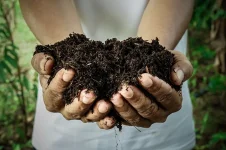
Aeration and Compost Topdressing!
Later this month, we will be performing soil aeration combined with a Cotton Bur compost topdressing to our customer’s lawns. Some might wonder why we would aerate during the month of January. After all, the turf is dormant.
Exactly.
We do this when the turf is dormant in late January because 3-4 weeks later, our turf grass will be emerging from dormancy. Doing this now gives time for the nutrients in the compost to soak into the soil and aeration gives us the ability to get the nutrients down in the root zone.
So what the grass needs is right there for it, when the need begins.
I recommend Cotton Bur compost for topdressing for several reasons:
1. It is the most nutritious compost we can use. It is made with 100% cotton plant waste material. Cotton plants are known as nutrient hogs, taking in nutrients from a large area around it and beneath it. So naturally, the composted plants are loaded with those same nutrients.
Each time it rains or you have your sprinklers on, the water runs through the compost, making a “compost tea” as it soaks down into the soil, taking the nutrients with it.
And all of this is done when you are not mowing your lawn. So your compost stays in place to do its thing.
2. Cotton Bur compost is a natural clay softener. For those of us in North Texas with our black gumbo clay, this is a big deal. When the soil is softened, roots are able to grow and expand more easily.
3. You can top dress your beds as well as your lawn.
This process sets the tone for the season for your turf and plants. The head start it provides will have positive effects throughout Spring and Summer.
What is topdressing, you may ask? It is simply a process were compost is spread throughout the lawn and raked in so as to not cover the turf. This aeration and top dressing replenishes nutrients lost throughout the year due to extreme cold, heavy rains, high heat, and repeated exposure to chlorinated water.
The aeration, of course, is done to loosen up the soil, allowing oxygen to get into the soil, and allows organic material to mix in with the soil.
Attention Vegetable Gardeners!
Get your Onions planted on January 15!