

Sirhornsalot
**The Official Horn Sports Landscaper and Landscap
- Joined
- Nov 6, 2013
- Messages
- 34,616

Army worms march and munch into Texas lawns
Do you have a Bermuda lawn? Does it look dormant/brown for some reason right now? Were you thinking it just received too much rain?
Thats not it. You’ve got an insect problem. Army worms and mole crickets are currently attacking lawns across our state. Conditions are just right for them during early fall this year. And this comes on the heals of a recovery from the Chinch bug infestation we saw in July and August.
We had a very mild winter last year in Texas. Outside of a brief very cold spell in early December, we really didn’t have a lot of cold weather and no ice or snow. Mild temperatures dominated the last half of winter. As a result, grub worms were feeding early this year here. So landscapers and homeowners rushed out and treated lawns for grub worms.
In June, temperatures became unseasonably hot here. Our first string of 100 degree days arrived and soon after, Chinch bugs began feeding on turf. So we rushed out and treated lawns for chinch bugs.
Now, Texas turf is being attacked in a major way by Army worms. Army worms are particularly damaging to Bermuda turf. So if you’re looking at your Bermuda turf right now and think the reason its not green is because of all the rain we’ve had – thats not it. Bermuda loves rain. Army worms love Bermuda turf and will turn a lawn brown in very short time.
For reasons only an Army worm can explain, they prefer Bermuda turf. They will eat St Augustine if they have to, but don’t seem to care for it. They will not touch Zoysia turf for whatever reasons.
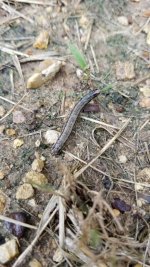
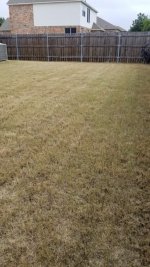
The Army worm gets its name by the way it causes destruction. They arrive. They set up and destroy the area. They will turn to moths and the eggs they will lay will be in green turf, not the turf they just destroyed. This is done to ensure the young worms will have plenty of food. So its like a wave of destruction left in their wake.
Army worms will not totally eat each grass blade. So you can recover your lawn once you are able to treat the insect infestation and end the constant feeding of your lawn by them.
Army worms are not easy to kill. They hide in the lawn thatch during the day time, then come out to feed at night. Given that most chemicals designated to treat this insect are “contact kill” type approaches, you can see that you’ll have to spray early morning or early evening to obtain a good kill.
Mole crickets are moving during the day. You can see them hop out of the turf by the dozens with each step you take, during an infestation. They, too, will feed on Bermuda turf, but also feed on St Augustine as well.
Army worms and mole crickets can be killed using a product called Bifen (short for Bifenadrin). The chemical can come in an array of insect products. It works as a contact kill, meaning your chemical needs to come into contact with the worm or cricket to kill it.
Warning signs for winter?
Knowing that this much insect activity is fairly rare in our state, I went to look and see if it had something to do with the coming winter. Turns out, I could find no connection there although I’ve heard there’s an old wives tale that suggests increased insect activity like this means a hard winter is coming.
What I did find are some other signs that I’ve observed, courtesy of the Farmer’s Almanac. I saw that when hornets build their nests closer to the ground, a hard winter is expected. Just last week I knocked out a hornets nest in a Crape Myrtle, about one foot off the ground.
“When hornets build their nests near the ground, expect a cold and early winter.”
Other indicators are Oaks that produce large numbers of acorns and squirrels are collecting more of those acorns than in most fall periods. I’ve observed both so far.

Christmas lighting
Believe it or not, October is the month to begin planning your outdoor Christmas display. Its wise to call your installer and plan a date of installation of your preference. The longer you wait to do this, the fewer the choices will be. If you haven’t used a Christmas light installer before, this would be a good time to have a consultation with a professional installer to get your plan established and estimated. The next step is simply setting the date of installation.
With Green Thumb and other light installers, the deal includes take-down of the Christmas lights once the Christmas season is over. We also include off-season storage for our clients at no extra cost.
There are new and exciting options being introduced each season so if you haven’t added to your display in a while, this year might be a good time to consider expanding it.
Design consultation/planning
Although Fall officially began in September, October is the month when Fall is really felt in Texas. And Texans, being the outdoor lovers they are, head into their outdoor living spaces to enjoy and soak in the comfortable temperatures.
October is the month when requests for outdoor living space design and installation begins flowing in. I’ve always said that the front yard design is primarily “presentation.” But the back yard design is “personal paradise.”
So to begin that process, contact a landscape/hardscape designer and have your dream back yard drawn up and put to paper in the form of a drawing. Doing this not only shows you what the future landscape would look like, but gets everybody (homeowner, designer, installer) on the same page. An initial consultation on site is normally where this starts. During this visit, you will want to explain your wants and desires to the designer and also make sure to share your personal tastes, be it contemporary, traditional, rustic, etc.
There is no such thing as a dumb question during a consultation, so don’t be afraid to ask questions. Lots of questions. Also, while a detailed drawing really helps get the project going, you will want to make sure the estimate itself is just as detailed. Do not accept an estimate that is not in line-item form. You have a right know what is going into the project as you are the one paying for those things.
From creating new patio spaces to updating or recreating existing patio space, the patio is normally where everything evolves from. This is where you will sit and talk and enjoy the wildlife and fall weather. Materials you can create patios with include concrete, flagstone, wood decking, brick and various combinations of those are popular choices. Outdoor fireplaces complete with outdoor TV/audio set up help bring the home living outside – and the outside living space to the inside. Outdoor kitchen complexes are a set up where the family/friends can enjoy the pleasures of inside, outside.
Some designs can have an offset sitting area with a fire pit where gatherings can enjoy the warmth of a fire while enjoying the outdoors.
Call your landscape professional and request a consultation. In most cases, consultations are free as are the designs that emerge from that consultation. But the thing is, now is the time to get that process started.
What to do now that Fall has arrived
With the arrival of Fall comes changes in the way we treat our landscape. Last month we talked about moving your sprinkler start times to morning starts. Now, we can reduce our watering to two days a week.
Now is also the time to take your mower blade down a notch. We can do this because obviously the heat of the summer has left us and a shorter cut will allow more sunlight to the soil surface, helping to prevent lawn fungus.
I would recommend lowering it no more than one notch at this time. In November, we can reduce it another notch for the final two mows of the season.
With the lawn, keep in mind most weed-killing products are heat-activated. With temperatures now getting lower, killing weeds will become more of a challenge, especially in St Augustine and Zoysia lawns. There are some products that will kill weeds in Bermuda lawns during cool weather.
(Mark’s column each month is sponsored by Stagecoach Trailers, Inc., of Naples, Texas. Find them at www.stagecoachtrailers.com)

Last edited by a moderator: