
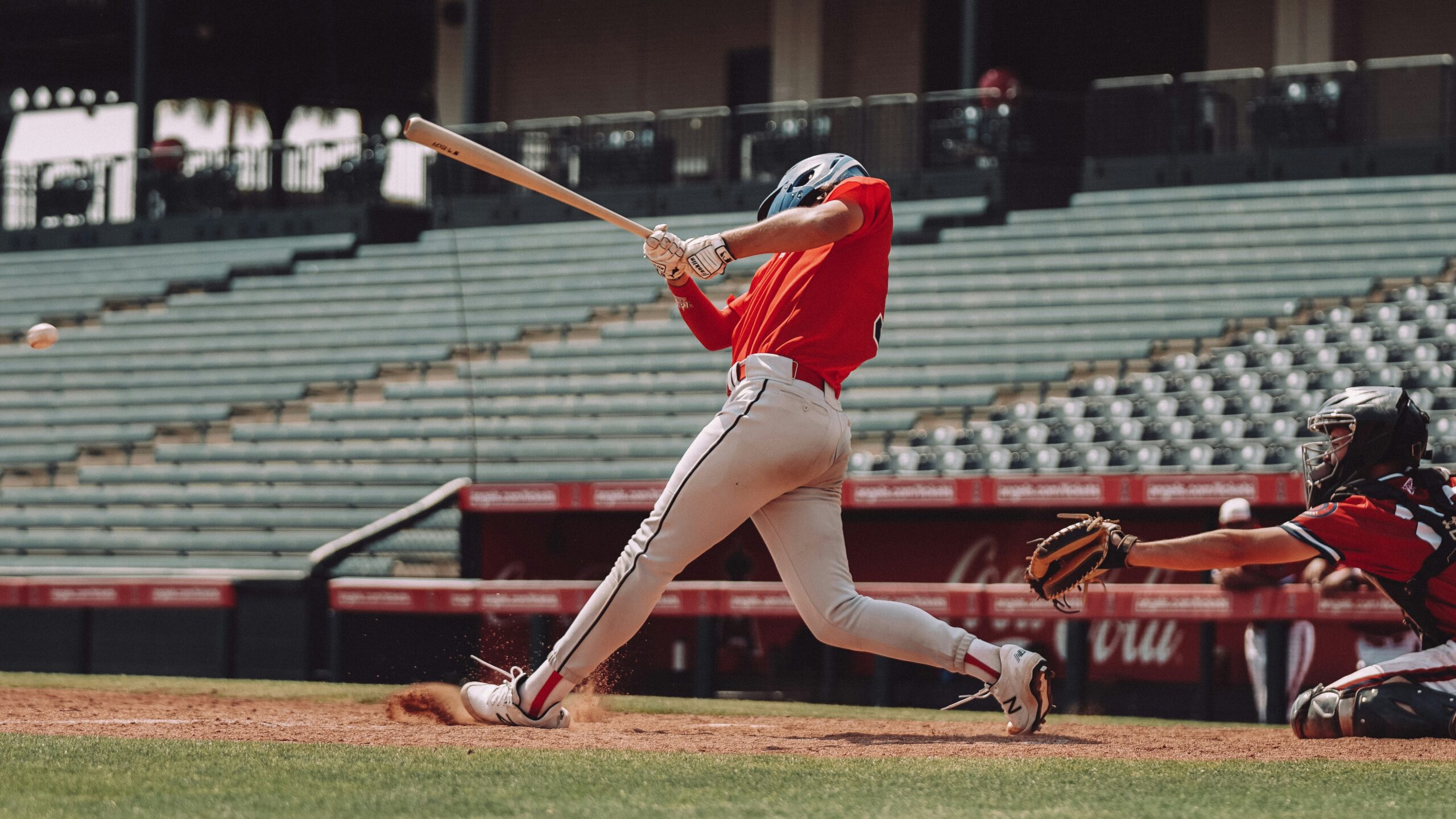
Athletes often thrive on competition. The chase for a starting position, the push to break personal records, and the constant comparisons to rivals all serve as fuel. Competition creates structure, motivation, and identity for many players. Without it, the intensity of sports might fade into casual recreation.
Still, the qualities that drive success can also work against athletes. When every practice is viewed as a test and every statistic becomes a measurement of self-worth, the enjoyment of the game starts to disappear.
That is when the same energy that inspires athletes begins to feel less like passion and more like pressure. The fine line between the two is not always easy to recognize until the effects of burnout have already started to set in.
Recognizing the Symptoms of Burnout
Burnout rarely arrives without warning. It can manifest as fatigue, loss of focus, or a lack of enjoyment in activities that once felt rewarding. Coaches and teammates often notice subtle changes before the athlete does. A player who once lit up practice might suddenly withdraw, showing up physically but not mentally.
According to a study in the Nature Journal, athletic burnout is associated with three dimensions of a multidimensional syndrome. The first one is the high number of competitions and intensive training, which leads to fatigue.
Sports devaluation is the second one, which is linked to disengagement. The last is a reduced sense of accomplishment, especially after multiple losses, which is reflected in negative self-evaluations.
These changes do not happen overnight, but they build quietly until performance begins to slip. What starts as an occasional struggle to find energy can evolve into a serious threat to an athlete’s career if ignored. Recognizing and addressing these early warning signs is critical.
An NCBI study notes that if not addressed, burnout can have significant negative impacts on the player. It can impact performance, hinder personal relationships, impair well-being, and cause mental health problems.
How can friends or family members identify early burnout signs in athletes?
Friends and family may notice small changes first, such as an athlete’s decreased enthusiasm, irritability, or loss of interest in activities outside their sport. While occasional frustration is normal, a consistent lack of joy or chronic fatigue can be red flags. Support from loved ones often encourages athletes to seek help before burnout deepens.
Psychological Weight During Performance
Competition does not end with the scoreboard. According to a ScienceDirect study on psychological stress in athletes, the mental load is often just as heavy as the physical one.
Players are often intentionally pressured, especially during practices. This can have good results when done appropriately. They are asked to perform under constant evaluation because knowing their mistakes may define future opportunities. Every drill can feel like an audition, and every game like a final exam.
If athletes handle this pressure during practices, they may benefit. However, constant pressure during live matches is a completely different story. This relentless pressure can create layers of anxiety, sometimes greater than the challenges faced in competition itself.
In many ways, it mirrors the mindset of competitive gamers who are also driven by performance, rankings, and repetitive reward systems. The reward system is great for athletes, as they get fame and money if they perform well. However, constantly chasing the rewards can have negative impacts, as can be seen in the video game addiction lawsuit.
According to TruLaw, many plaintiffs blame the reward system of video games. They say that developers have intentionally designed the rewards to keep gamers hooked. This leads to addiction and impacts their mental health.
For athletes, the stage may be different, but the psychological strain of chasing perfection is remarkably similar.
The Demands of Travel and Scheduling
Another factor often overlooked in discussions of burnout is the sheer lifestyle that comes with certain sports. For instance, athletes usually have to fly to different game locations to compete with others.
Consider the example of the LPGA tour played by women golfers. According to Golf.com, the LPGA Tour’s venues span across 14 US states and 12 countries. The players will have to fly twice to Asia and once to Europe.
The global reach of the sport brings excitement and prestige, but it also strips players of routine, rest, and stability. The constant movement, time zone changes, and lack of consistent downtime highlight how off-field commitments can weigh as heavily as the competition itself.
Athletes are expected to perform at peak levels despite jet lag, long flights, and irregular sleep. For many, this grind is harder to manage than the sport itself. The demands of the schedule leave little chance to recharge, and over time, the body and mind begin to resist.
Why does constant travel impact athletes differently than it does other professionals?
Unlike many professionals, athletes must perform at peak physical and mental levels immediately after travel. Jet lag, disrupted sleep, and unfamiliar environments directly affect reaction times, focus, and recovery. While business travelers may catch up on rest after a meeting, athletes rarely have that luxury during high-stakes competition.
Balance as the Missing Ingredient
The difference between competition and burnout often lies in balance. Athletes who incorporate rest, hobbies, and personal connections into their routine typically sustain their performance longer. This can help them overcome competitive anxiety.
On the other hand, those who treat every moment as an extension of competition often hit a wall. A similar phenomenon can be observed in the impact of competitive anxiety on the performance of college athletes.
An NCBI study concludes that competitive anxiety can lead to burnout in college athletes. Somatic anxiety and concentration disruption in anxiety were found to be positively associated with burnout.
Balance does not weaken competitiveness; instead, it allows athletes to recharge and return to their sport with sharper focus. For many players, the ability to step away briefly from their sport is what allows them to continue in it over the long term. Coaches, trainers, and athletes themselves must recognize that sustainability, not intensity alone, is the true key to lasting success.
What role do coaches play in helping athletes maintain balance?
Coaches can foster balance by encouraging rest days, supporting hobbies outside of sports, and creating a culture where athletes feel safe admitting fatigue. Instead of glorifying “grind culture,” effective coaches frame recovery as part of the training process. Their leadership often determines whether balance is achievable or overlooked entirely.
Modern sports demand intensity, but intensity does not have to come at the expense of well-being. Recognizing the difference between healthy competition and unhealthy strain is essential for athletes at every level.
Burnout is not simply a matter of fatigue; it’s a signal that something fundamental in the approach to competition needs to shift. For athletes, coaches, and even fans, understanding this fine line is the first step toward protecting both performance and passion.